It's been less than a year since my first foray into astrophotography, with a DIY tracker, a mirrorless camera, and a vintage Nikkor lens.
A couple of months after that I bought my first instrument designed for astrophotography — the Dwarf 3 smart telescope.
I spent the rest of autumn and winter (all three clear nights!) driving out to parking lots and fields darker than my backyard, capturing deep space objects.
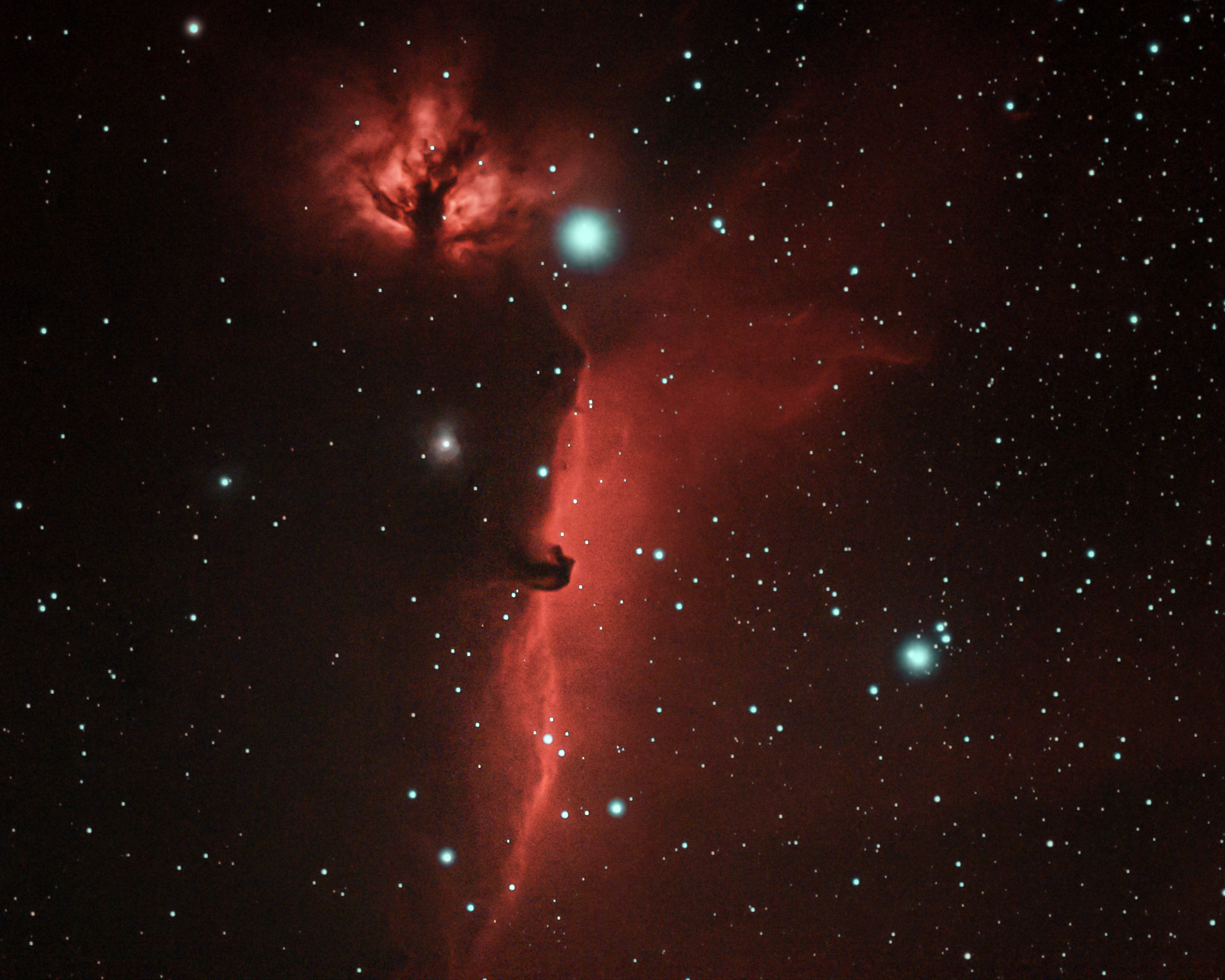 Barnard 33 — The Horsehead Nebula in Orion
I was really impressed with the results, but I wanted more. So I kept going out on -20ºC nights to take more pictures, even when the little Dwarf was definitely struggling with the cold.
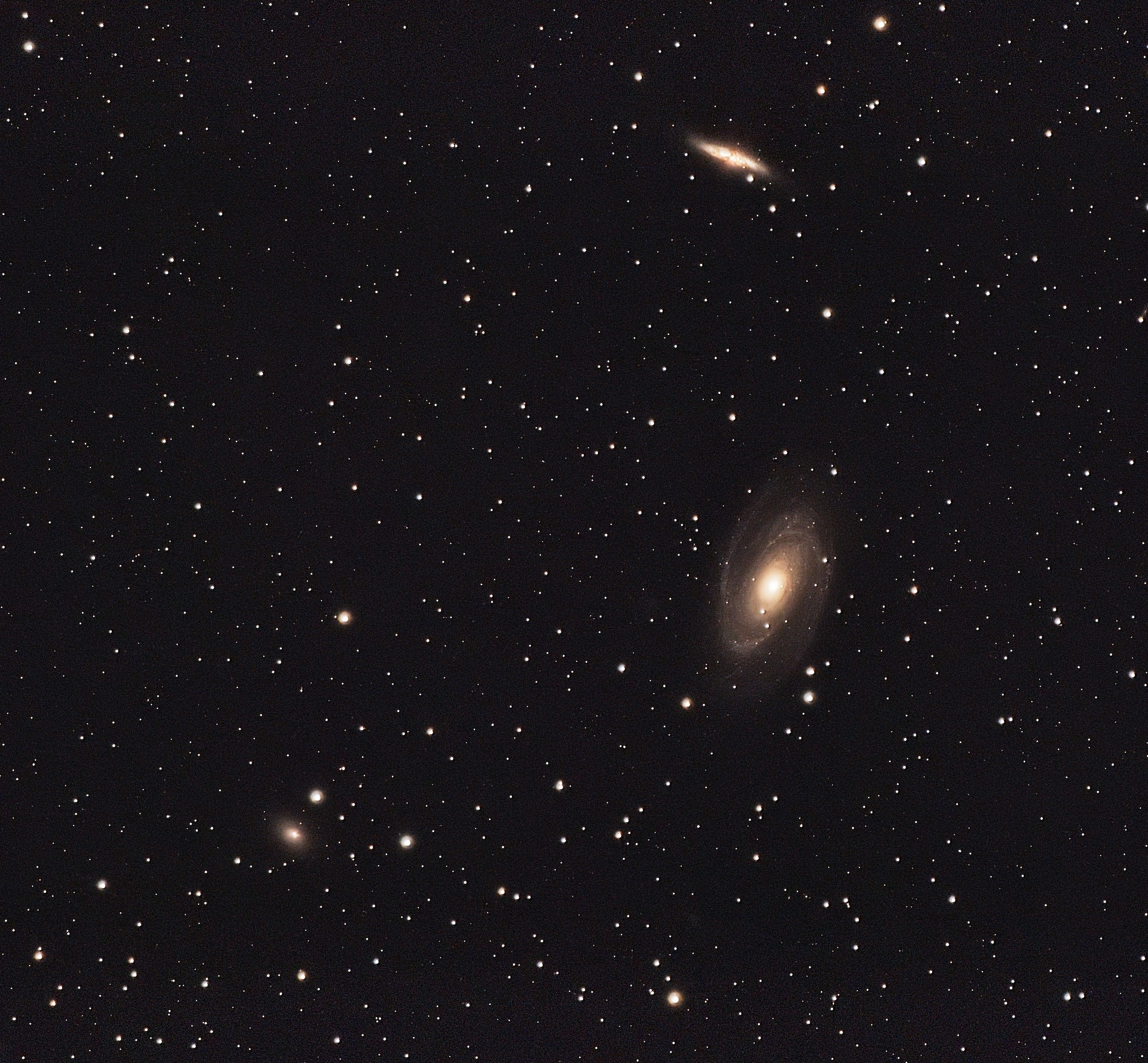 M81 — Bode's Galaxy and M82 — the Cigar Galaxy
Still, about a month ago, I took the plunge and started assembling my first proper astrophotography rig — astro camera, telescope, mount, all the right stuff. I'm lucky that my wife is fine with my hobbies, as long as I'm occupied and don't do anything stupid.
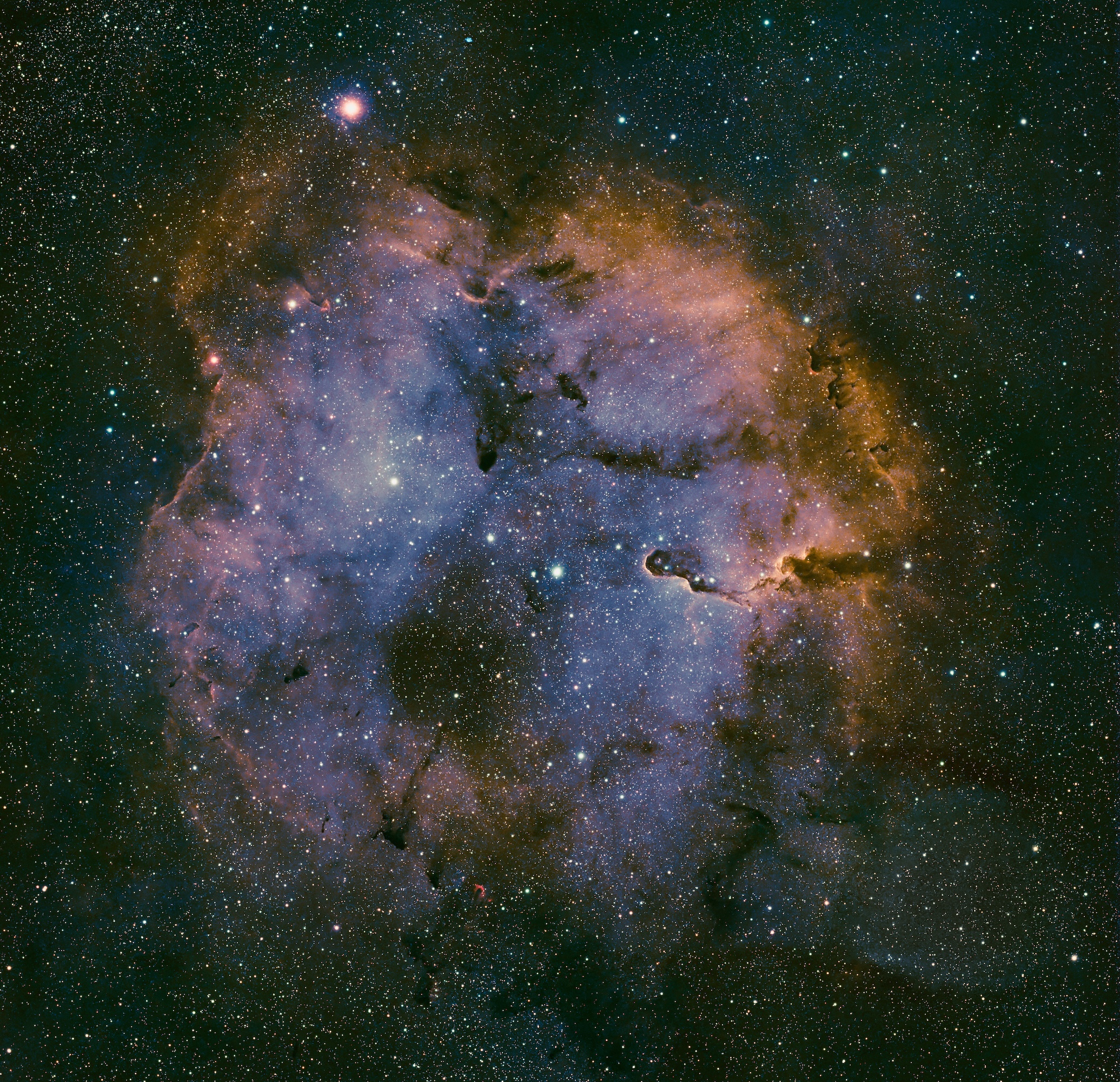 IC 1396 — The Elephant's Trunk Nebula
I live in Bortle 6 — the light pollution is bad, but it can be overcome for emission nebulae with the help of narrowband filters. For anything non-emissive, I have to drive out to a "dark sky place". Mine is either the parking lot of a sports field in Bortle 5, or a service road in the middle of a field in Bortle 4. Either way, I have to sit and wait in the car. It's a boring process, and I usually get tired, pack up, and head home around midnight. That doesn't work in the summer, when there's only an hour of darkness before midnight.
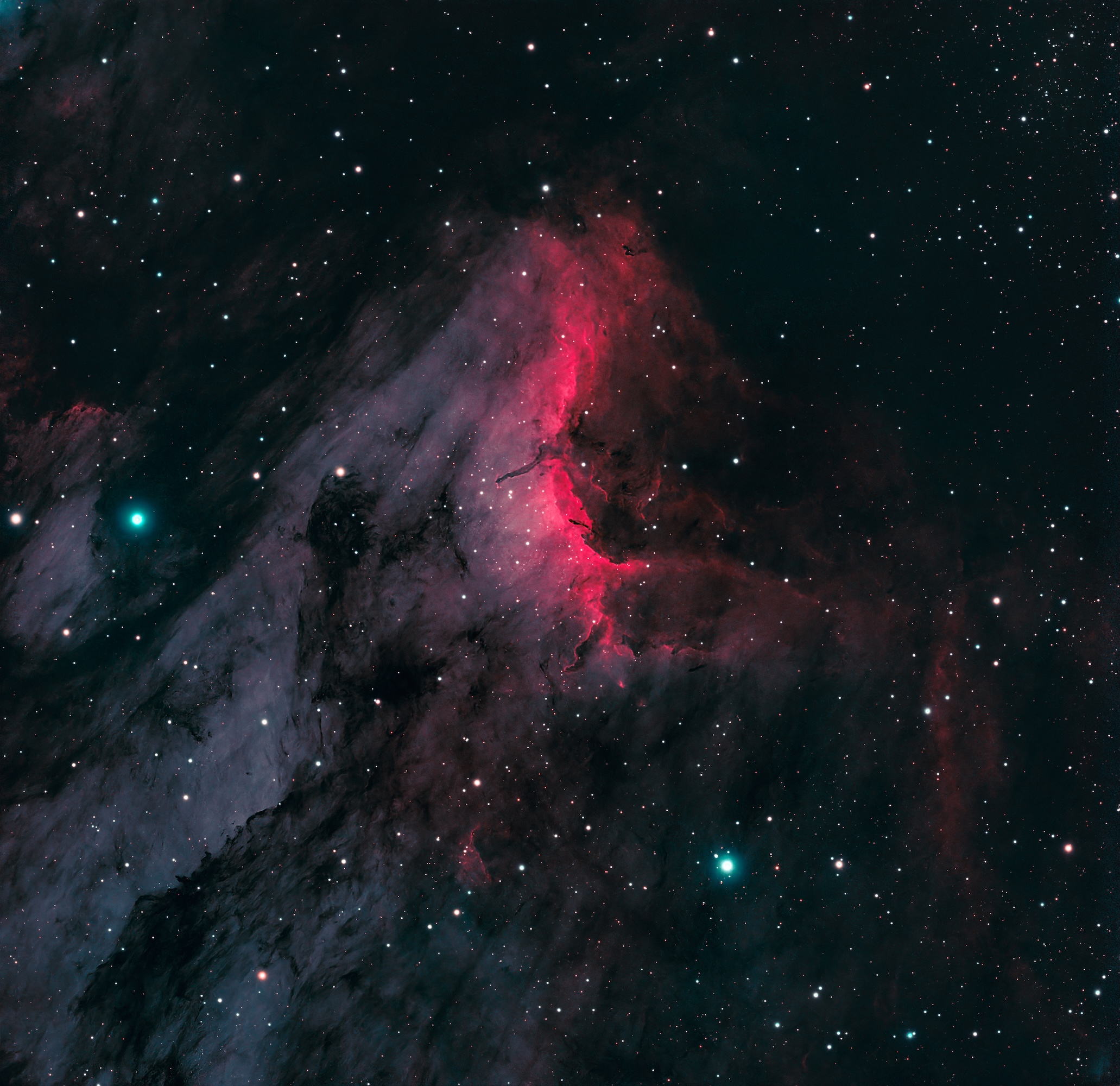 IC 5070 — The Pelican Nebula
And so I decided to join the RASC — the Royal Astronomical Society of Canada. I guess I'm a Royal Astronomer now. I signed up with the Toronto Centre, which has an observatory available to its members. It's in Bortle 4, about 40 minutes farther out than my "dark sky" field, but I can stay there, in the house, and sleep in a bed (and not in the car seat) while my telescopes work hard all night long.
I visited the E.C. Carr Observatory for the first time last weekend and met great people who share the same hobby. I spent the night comfortably: I stared up at the vast skies and the Milky Way until my neck started to hurt, then slept like a baby in a real bed — not the car seat — while my telescope worked hard capturing the Iris Nebula. I'd have had no chance of taking this photo from my backyard. First, I don't have the line of sight; second, the light pollution would kill all the detail.
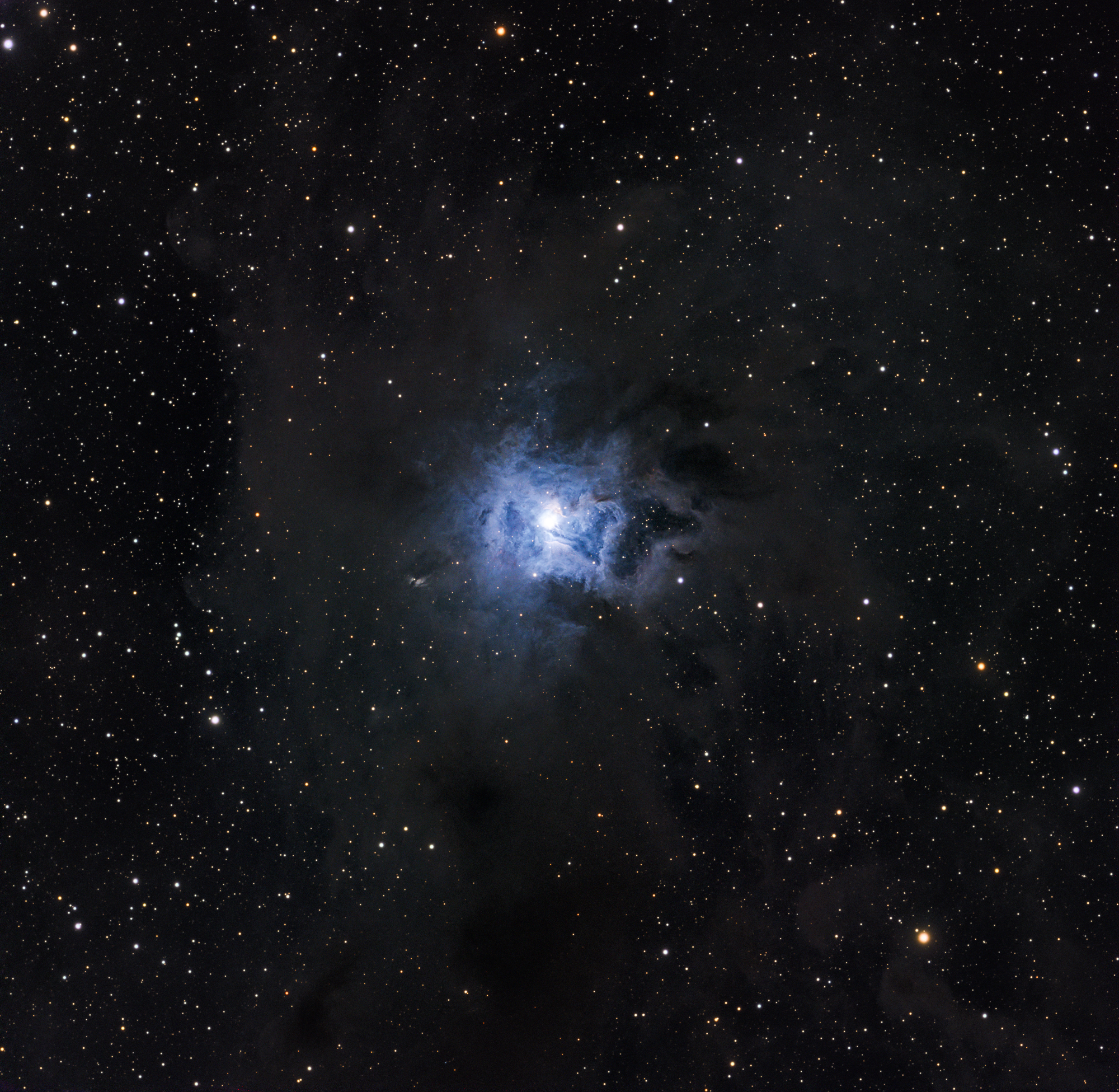 NGC 7023 — The Iris Nebula
That image is only 4 hours and 40 minutes of integration time, and I'm quite happy with it.
I guess age is catching up with me. I already know all the birds around my area, and now I've started joining clubs. I'm still the youngest person there — but I suppose that's just a matter of time.